When ChatGPT sends your customers to the wrong website
A new study found AI chatbots sometimes point shoppers to fake or dead websites. How to make sure AI tools send people to the real you, and what to check this week.
· 5 min read
By the Blessed Pixels team
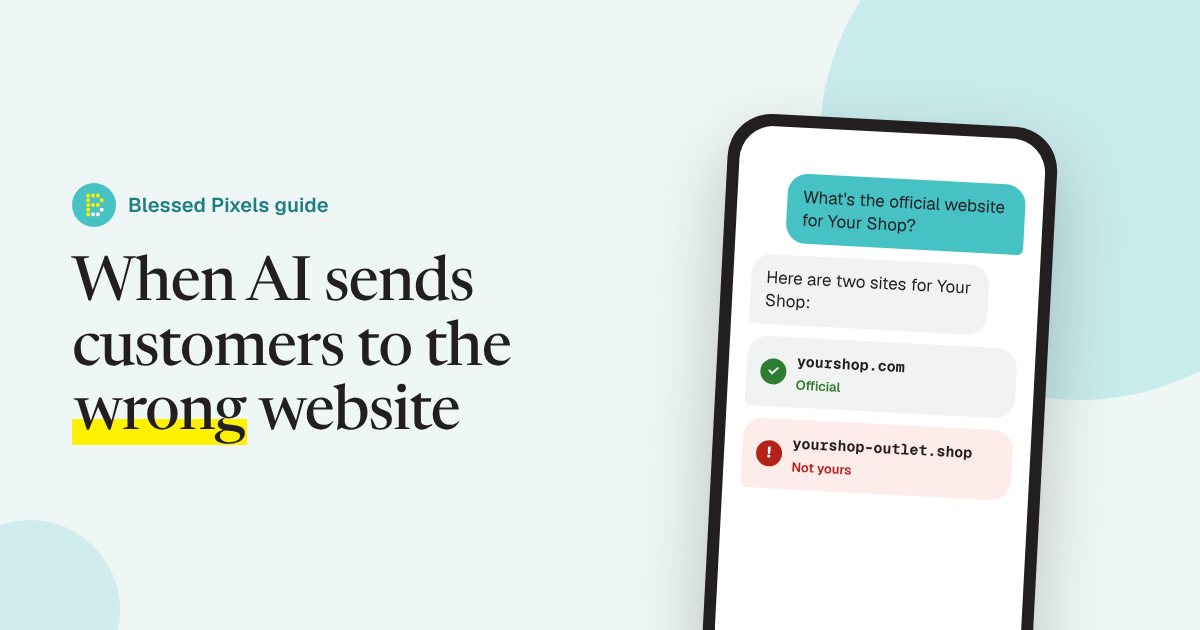
Ask a chatbot where to buy something and it will usually give you a link. Most of the time the link is right. Sometimes, according to a study reported this week, it isn't.
Brand protection firm Podqi tested 151 brands across ChatGPT, Gemini and Perplexity in September, collecting 6,795 answers. As Startup Fortune reports, about 9% of answers pointed shoppers to what the study counted as a risky site: a fake shop, a lookalike of a real retailer, or a dead web address that a fraudster could pick up. The rate varied by tool, from 4% for Gemini to 15% for Perplexity. Lesser-known brands were exposed roughly twice as often as big ones.
Two honest caveats. The study comes from a company that sells brand protection, and it's one month's snapshot of 151 brands, so treat the numbers as a warning sign rather than a fixed rate. But the pattern makes sense, and the fixes are cheap.
Why AI tools get the website wrong
An AI tool doesn't know your official website the way your customers do. It pieces it together from what it finds: your own site, directories, reviews, social profiles, old articles, and sometimes copies or lookalikes.
When those sources agree, it gets it right. When they don't, it has to guess. The study found regional questions, like "the UK site for this brand", were the riskiest, partly because some of those regional sites don't exist and the gap gets filled by something else.
Things that make the guess harder:
- An old web address you stopped using, still listed on directories.
- Different addresses on different profiles, such as a .com on Instagram and a .co.uk on Google.
- A shop on a marketplace or a separate platform that looks like a second official site.
- No clear statement anywhere of which address is the real one.
That's exactly the kind of mismatch our full AI audit is built to find, because the same confusion also stops AI tools recommending you at all.
Check what AI tools say your website is
Do this today. It takes ten minutes.
- Ask ChatGPT, Gemini, Perplexity and Google's AI Mode: "What is the official website for [your business name] in [your town]?"
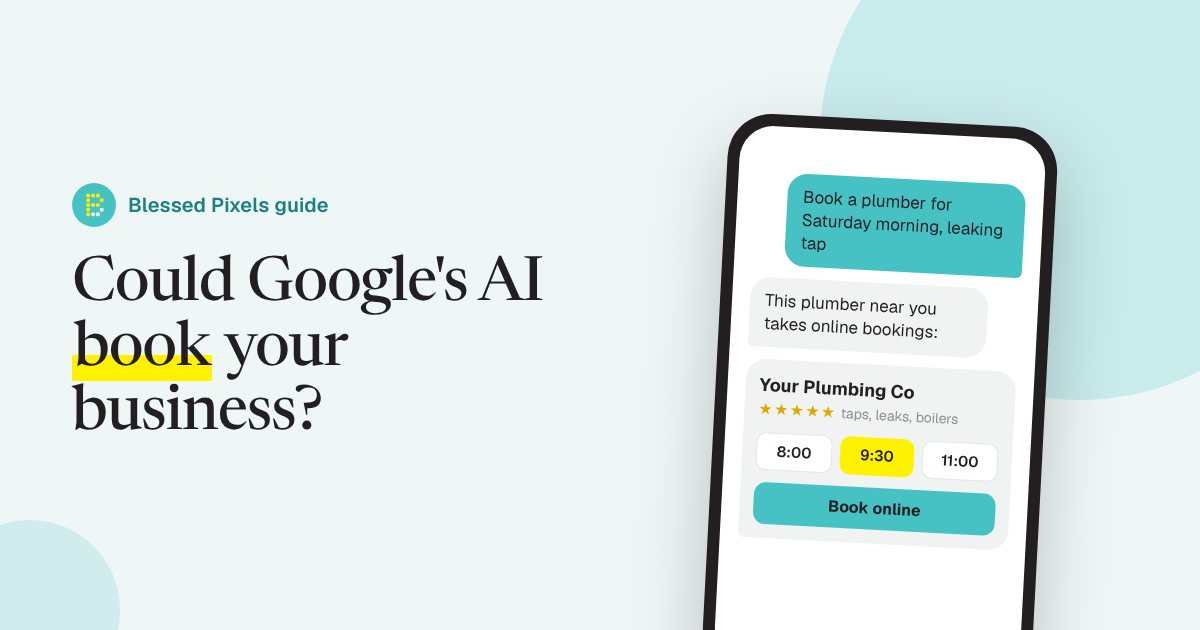
- Then ask a buying question: "Where can I buy [your product] from [your business]?" or "How do I book [your service] with [your business]?"
- Click every link they give. Is it yours? Is it the current site?
- Write down anything wrong: an old address, a directory page instead of your site, a lookalike you don't recognise.
If a tool names a lookalike or a site pretending to be you, that's a bigger problem than search. Report it to the platform, and if customers may have paid a fake site, take advice on reporting fraud in your country.
Our free AI check won't ask chatbots about you, but it does show whether AI tools can read your own site properly, which is where a correct answer starts.
Make your official address impossible to miss
The aim is that every source an AI tool reads says the same thing.
- Use one main web address and put it everywhere: Google Business Profile, Facebook, Instagram, LinkedIn, directories, email signatures, invoices and printed material.
- Say it plainly on your own site, in your footer and contact page: "Our official website is yourbusiness.com."
- If you sell through other channels, such as a marketplace shop, list them on your website as official, so a tool knows which other addresses are genuinely you.
- If you have regional sites, list them too. If you don't have one for a country, say where customers there should buy.
- Add structured data (a short piece of code that tells machines your business name, official address and social profiles). It lets AI tools and Google confirm which profiles belong together.
Matching details and structured data are two of the areas we check, listed on what we audit.
Don't leave old web addresses lying around
The study counted 367 dead web addresses among the risky sites. A domain you let lapse doesn't disappear. Directories, old articles and AI tools can keep pointing to it, and anyone can buy it.
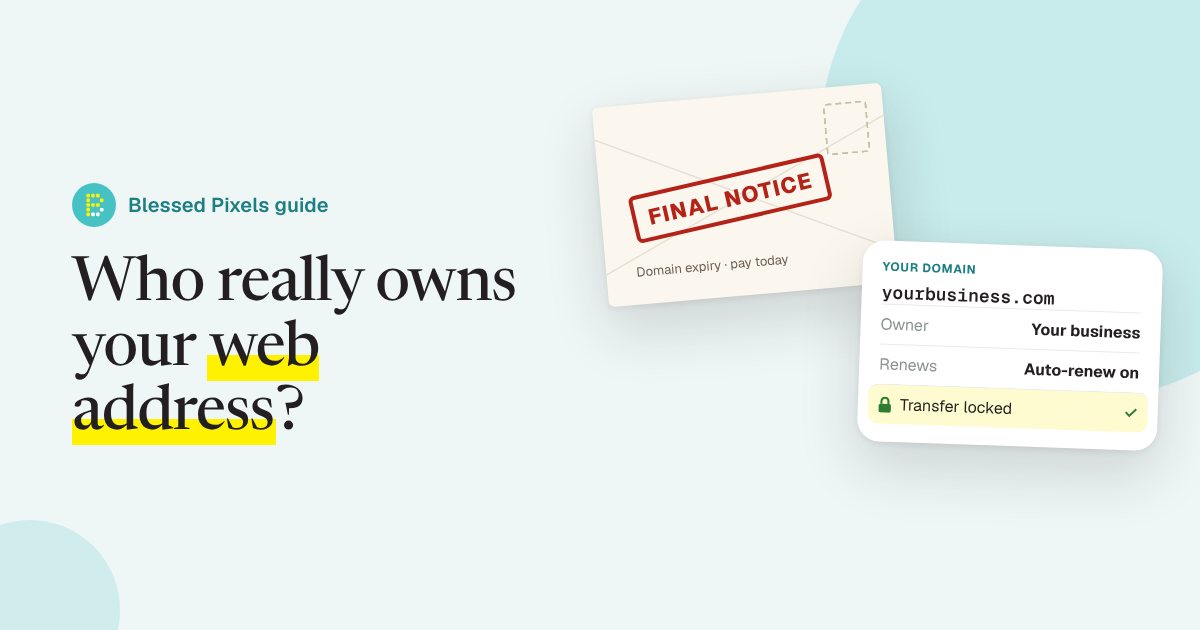
If you've changed your address, keep the old domain and redirect it to the new one rather than letting it expire. Renew any spare versions of your name you own. We covered the renewal side in who really owns your web address.
Then tidy the links you control: update directory listings and old profiles so they point to your current site. Our audit report lists the mismatches it finds, and our fixes service covers the changes on your own website.
Watch for lookalikes
Fake shops often use a name close to yours with an extra word ("official", "outlet", "uk"), a hyphen or an unusual ending. A few habits help:
- Search your business name every few months and look past the first results.
- Set up a free alert for your business name, so new mentions reach your inbox.
- Ask customers to tell you if they're ever unsure whether a site is really yours, and make your real address easy for them to check.
None of this needs special software. It needs someone to look regularly. If you'd like help going through it, a 30-minute expert call is a quick way to agree what to fix first.
Frequently asked questions
Do ChatGPT and other chatbots really send people to fake websites?
Sometimes. One study of 151 brands found about 9% of answers pointed to a risky site, with big differences between tools. It's one study from a firm that sells brand protection, so treat it as a warning sign.
How do I check which website AI tools give for my business?
Ask ChatGPT, Gemini, Perplexity and Google's AI Mode for your official website and how to buy or book from you, then click every link they return.
What should I do if an AI tool gives the wrong website for my business?
Fix the sources it relies on: make your address the same everywhere, update old listings, and state your official website clearly on your own site. Report any site impersonating you.
Should I keep my old domain after changing web address?
Yes, if you can. Keep renewing it and redirect it to your new site. A lapsed domain can be bought by someone else while old links still point to it.
Can I stop AI tools mentioning fake sites completely?
No one can promise that. You can make the real answer much clearer, which gives AI tools far less reason to guess.